January 22, 2026
January 22, 2026

Leadership battle opens over the future of the German Synodal Path

Min read
share

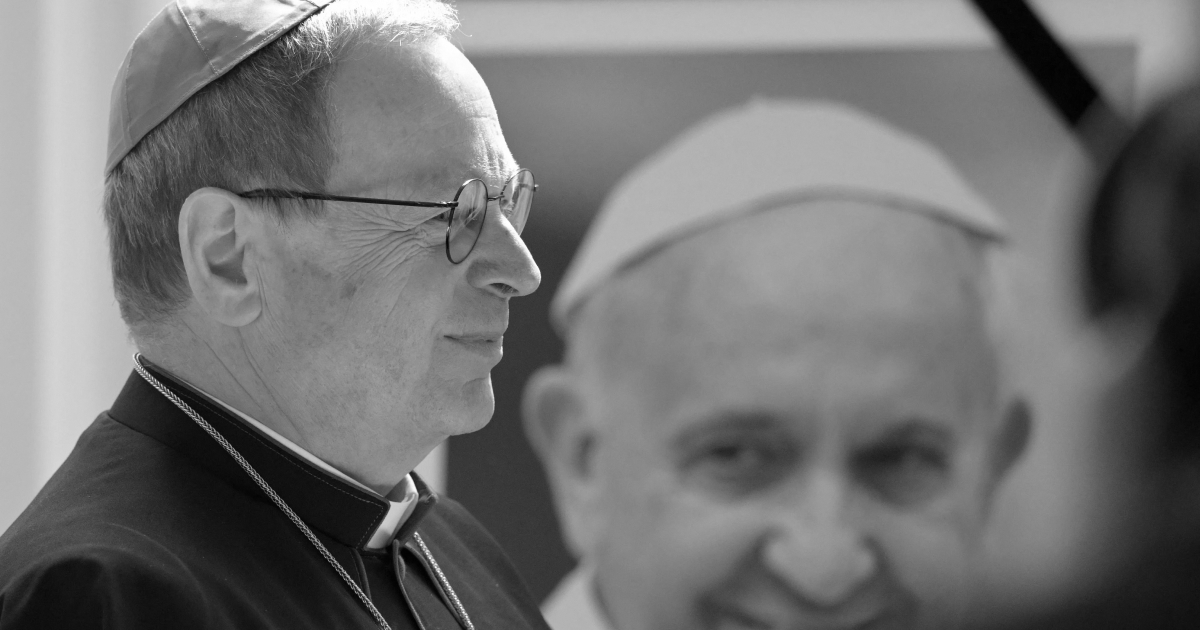
Bishop Georg Bätzing, chairman of the German Bishops’ Conference, has announced that he will not seek a further term in office, bringing to an end six years at the head of one of Europe’s most controversial episcopal bodies.

In a letter sent to members of the bishops’ conference and obtained by the German outlet Die Tagespost, the Bishop of Limburg said he had reached his decision “after consultation and careful consideration”, signalling that the February elections for the conference’s leadership will proceed without an incumbent candidate.

Bishop Bätzing, who has led the conference since March 2020, described his time in office as both demanding and rewarding. “I continue to consider it a great honour and joy to perform this service in truly challenging times, which at the same time open up new opportunities for shaping the future,” he wrote. He thanked the staff of the conference secretariat for their support and called on his fellow bishops to continue working together with openness and resolve. He expressed the hope that the conference would have “the courage to speak openly, to engage in constructive debate, and the willingness to reach out to one another, in order to bear witness together to the joy of faith for the faithful in our country and for many more.”

The announcement comes just weeks before the German bishops are due to gather in Stuttgart for the sixth and final assembly of the Synodal Path, a process that has dominated the Church’s internal debates in Germany during Bishop Bätzing’s presidency. As chairman, he has co-chaired the synodal presidium alongside Irme Stetter-Karp, president of the Central Committee of German Catholics.

The election of a new chairman will take place in February during the bishops’ spring plenary assembly, with the successful candidate expected to serve a six-year term. Several names are already being discussed as possible successors.

Bishop Bätzing, aged 64, has served as Bishop of Limburg since 2016. His election as conference chairman followed the decision of Cardinal Reinhard Marx not to seek a second term in 2020, a move that surprised many at the time and paved the way for a less prominent figure to take the helm during a period of intense internal debate.

The leadership of the German bishops has varied in stability. In the decades following the Second Vatican Council, chairmen often served long tenures, most notably Cardinal Karl Lehmann, who held the post for more than two decades. In more recent years, presidencies have been shorter, reflecting the instability and pressures facing the Church in Germany.

The coming election for the presidency of the German Episcopal Conference will now be a decisive moment of ecclesial direction for Germany, determining whether the Church in Germany will continue along a synodal experiment increasingly detached from Rome, or whether it will seek a path of renewed communion with the universal Church. The German episcopacy, by virtue of its wealth and perceived influence, undeniably exerts pressure on Catholic episcopal policy far beyond its borders. The choice before the German bishops is therefore between two competing visions of what synodality means.

The German synodal way has repeatedly presented itself as a necessary response to crisis, particularly the sexual abuse scandal, but its methods and conclusions have often appeared to assume that the Church’s deepest problems are primarily structural and doctrinal. That assumption has been challenged not only from Rome but from within the German episcopate itself, and it is this internal resistance that lends the present moment its significance.

It should be noted that the election of a new president for any bishops’ conference is not a democratic or partisan contest. What is nonetheless clear is that four bishops stand out as embodying a different understanding of synodality from that which has dominated the German process. Cardinal Rainer Maria Woelki, and Bishops Gregor Maria Hanke, Stefan Oster, and Rudolf Voderholzer have each raised sustained concerns about the direction taken in Frankfurt and about its divergence from the global synodal process convened in Rome.

Their position was articulated most clearly last year in a joint statement issued after the conclusion of the Synod on Synodality in Rome. Reflecting on both experiences, they argued that the German synodal way did not advance “hand in hand” with the universal process. The contrast they drew was not merely procedural but theological. The Roman synod, they noted, defined the essential goal of a synodal Church as the formation and sending of missionary disciples who proclaim the Gospel and invite others into friendship with Christ. Much of what was proposed in Germany, by contrast, focused on governance reforms already largely possible within existing structures.

Their critique stressed that synodality, as understood by the Church’s magisterium, is not a mechanism for reallocating power but a spiritual process rooted in prayerful discernment. The four bishops observed that such discernment was largely absent from the German assemblies, which they described as parliamentary in character, driven by majority-building under intense public pressure. The result, they suggested, was not healing but further wounds within the people of God.

Their intervention also challenged the claim that the synodal way had correctly identified the structural causes of abuse. They argued that the exclusive focus on a narrow set of themes, including celibacy and sexual morality, was not borne out by current evidence and, notably, was not endorsed by the final document of the Roman synod. In this respect, the German debate appeared increasingly insular, shaped by national preoccupations rather than spiritual or doctrinal discernment.

The implications for the election of the conference chairman are therefore substantial, as the choice could alter or even reverse some of the more damaging aspects of the German synodal way. The chairman of the German bishops does not merely coordinate meetings but sets the pastoral direction that determines what will be discussed. Under Bishop Georg Bätzing, the conference consistently defended the establishment of permanent national synodal structures, despite repeated cautions from the Holy See. Meetings between German leaders and Vatican officials last year made clear that these tensions remain unresolved.

Choosing a chairman from among the four bishops who have publicly aligned themselves with the Roman vision of synodality would signal a necessary recalibration. It would suggest that the German Church recognises the limits of the national experiment. Such a choice would not reverse the Church’s decline overnight, but it would reassert the fundamental principle that authentic synodality does not arise from constant structural revision.

The decision the German bishops now face will reveal whether that lesson has been learned, and whether the Church in Germany is prepared to walk once again in step with the whole Church.
Bishop Georg Bätzing, chairman of the German Bishops’ Conference, has announced that he will not seek a further term in office, bringing to an end six years at the head of one of Europe’s most controversial episcopal bodies.

In a letter sent to members of the bishops’ conference and obtained by the German outlet Die Tagespost, the Bishop of Limburg said he had reached his decision “after consultation and careful consideration”, signalling that the February elections for the conference’s leadership will proceed without an incumbent candidate.

Bishop Bätzing, who has led the conference since March 2020, described his time in office as both demanding and rewarding. “I continue to consider it a great honour and joy to perform this service in truly challenging times, which at the same time open up new opportunities for shaping the future,” he wrote. He thanked the staff of the conference secretariat for their support and called on his fellow bishops to continue working together with openness and resolve. He expressed the hope that the conference would have “the courage to speak openly, to engage in constructive debate, and the willingness to reach out to one another, in order to bear witness together to the joy of faith for the faithful in our country and for many more.”

The announcement comes just weeks before the German bishops are due to gather in Stuttgart for the sixth and final assembly of the Synodal Path, a process that has dominated the Church’s internal debates in Germany during Bishop Bätzing’s presidency. As chairman, he has co-chaired the synodal presidium alongside Irme Stetter-Karp, president of the Central Committee of German Catholics.

The election of a new chairman will take place in February during the bishops’ spring plenary assembly, with the successful candidate expected to serve a six-year term. Several names are already being discussed as possible successors.

Bishop Bätzing, aged 64, has served as Bishop of Limburg since 2016. His election as conference chairman followed the decision of Cardinal Reinhard Marx not to seek a second term in 2020, a move that surprised many at the time and paved the way for a less prominent figure to take the helm during a period of intense internal debate.

The leadership of the German bishops has varied in stability. In the decades following the Second Vatican Council, chairmen often served long tenures, most notably Cardinal Karl Lehmann, who held the post for more than two decades. In more recent years, presidencies have been shorter, reflecting the instability and pressures facing the Church in Germany.

The coming election for the presidency of the German Episcopal Conference will now be a decisive moment of ecclesial direction for Germany, determining whether the Church in Germany will continue along a synodal experiment increasingly detached from Rome, or whether it will seek a path of renewed communion with the universal Church. The German episcopacy, by virtue of its wealth and perceived influence, undeniably exerts pressure on Catholic episcopal policy far beyond its borders. The choice before the German bishops is therefore between two competing visions of what synodality means.

The German synodal way has repeatedly presented itself as a necessary response to crisis, particularly the sexual abuse scandal, but its methods and conclusions have often appeared to assume that the Church’s deepest problems are primarily structural and doctrinal. That assumption has been challenged not only from Rome but from within the German episcopate itself, and it is this internal resistance that lends the present moment its significance.

It should be noted that the election of a new president for any bishops’ conference is not a democratic or partisan contest. What is nonetheless clear is that four bishops stand out as embodying a different understanding of synodality from that which has dominated the German process. Cardinal Rainer Maria Woelki, and Bishops Gregor Maria Hanke, Stefan Oster, and Rudolf Voderholzer have each raised sustained concerns about the direction taken in Frankfurt and about its divergence from the global synodal process convened in Rome.

Their position was articulated most clearly last year in a joint statement issued after the conclusion of the Synod on Synodality in Rome. Reflecting on both experiences, they argued that the German synodal way did not advance “hand in hand” with the universal process. The contrast they drew was not merely procedural but theological. The Roman synod, they noted, defined the essential goal of a synodal Church as the formation and sending of missionary disciples who proclaim the Gospel and invite others into friendship with Christ. Much of what was proposed in Germany, by contrast, focused on governance reforms already largely possible within existing structures.

Their critique stressed that synodality, as understood by the Church’s magisterium, is not a mechanism for reallocating power but a spiritual process rooted in prayerful discernment. The four bishops observed that such discernment was largely absent from the German assemblies, which they described as parliamentary in character, driven by majority-building under intense public pressure. The result, they suggested, was not healing but further wounds within the people of God.

Their intervention also challenged the claim that the synodal way had correctly identified the structural causes of abuse. They argued that the exclusive focus on a narrow set of themes, including celibacy and sexual morality, was not borne out by current evidence and, notably, was not endorsed by the final document of the Roman synod. In this respect, the German debate appeared increasingly insular, shaped by national preoccupations rather than spiritual or doctrinal discernment.

The implications for the election of the conference chairman are therefore substantial, as the choice could alter or even reverse some of the more damaging aspects of the German synodal way. The chairman of the German bishops does not merely coordinate meetings but sets the pastoral direction that determines what will be discussed. Under Bishop Georg Bätzing, the conference consistently defended the establishment of permanent national synodal structures, despite repeated cautions from the Holy See. Meetings between German leaders and Vatican officials last year made clear that these tensions remain unresolved.

Choosing a chairman from among the four bishops who have publicly aligned themselves with the Roman vision of synodality would signal a necessary recalibration. It would suggest that the German Church recognises the limits of the national experiment. Such a choice would not reverse the Church’s decline overnight, but it would reassert the fundamental principle that authentic synodality does not arise from constant structural revision.

The decision the German bishops now face will reveal whether that lesson has been learned, and whether the Church in Germany is prepared to walk once again in step with the whole Church.
share

subscribe to the catholic herald today

Our best content is exclusively available to our subscribers. Subscribe today and gain instant access to expert analysis, in-depth articles, and thought-provoking insights—anytime, anywhere. Don’t miss out on the conversations that matter most.
Subscribe