
A return to the papal lodgings, the eruption of the Becciu case and a convocation of bishops all vied for centre stage, with each carrying notable long-term implications for the Holy See.
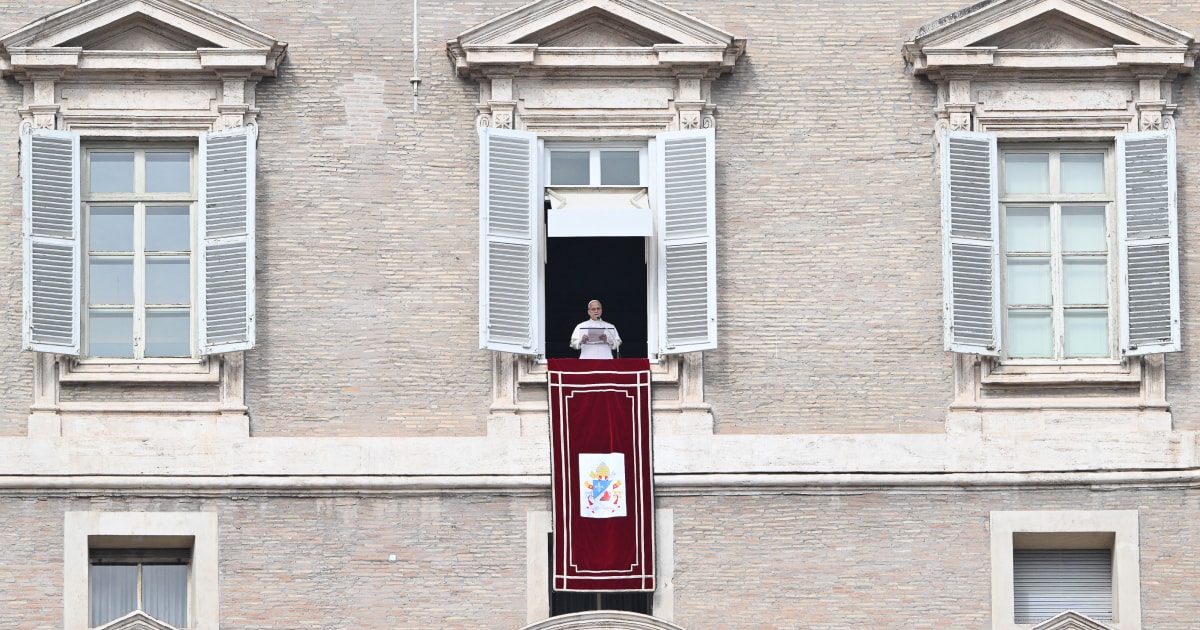
Just after the previous Vatican Dispatch went to print, news came of an event that had been anticipated for several months but was of a kind that would not quite seem real until it happened. Such, of course, was Leo XIV’s return to living in the Apostolic Palace on March 14. Moving in with his ‘closest aides to the quarters previously occupied by his predecessors’, the American Pope thus ended the vacancy that had endured since Benedict XVI’s poignant departure in February 2013.
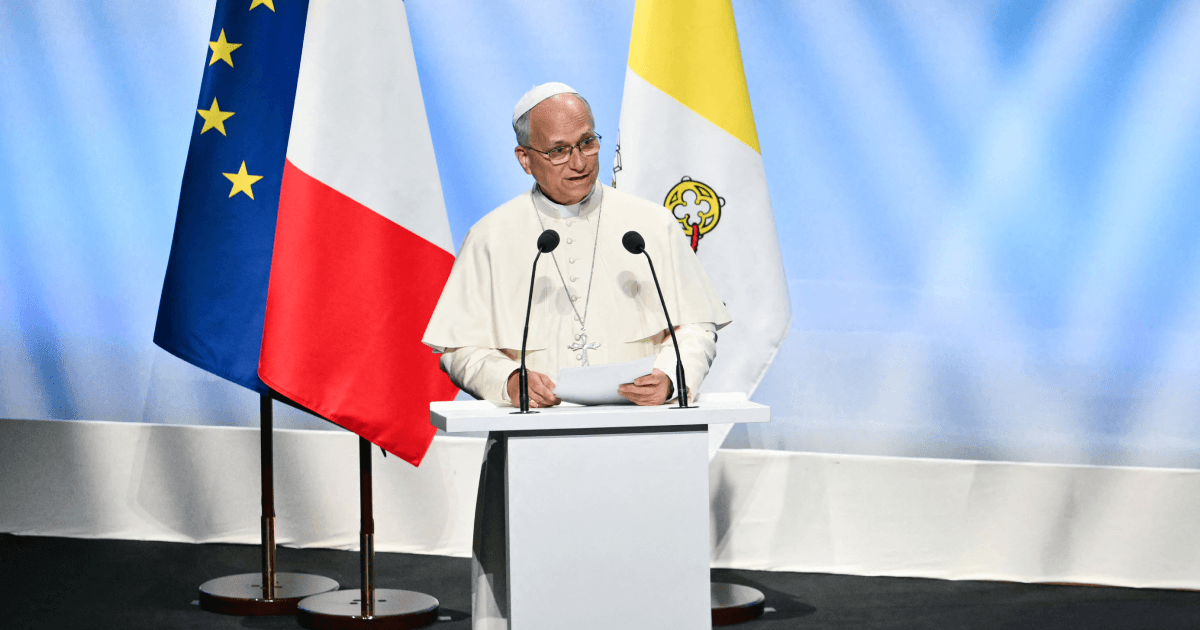
To many around Rome, the empty rooms had served almost as a symbol during the previous 12 years, a reflection of the loss felt after Benedict’s resignation and the regular confusion experienced under Francis’s reign. With the lights illumined in the papal apartments once again, an important sense of tradition and normality has returned for the watchers below.
There is a financial element to Leo’s decision also, which is by no means inconsequential. Francis’s residency in the Casa Santa Marta guesthouse totalled nearly an additional €30 million over the course of his 12 years, and such a saving is crucial for the cash-strapped Vatican.
Indeed, Vatican finances have been very much at the forefront of many people’s thoughts following the declaration from the Vatican Court of Appeal that the Cardinal Angelo Becciu and London property case was a partial mistrial. A March 17 document ruled that, though the December 2023 verdict in the case was not called into question, certain procedural elements were lacking on the part of the prosecution, meaning that the defence did not have proper access to them. As such, this ‘affected the legitimacy of some investigative measures adopted on the basis thereof’.
Interpreting Tuesday’s verdict leads to the uncomfortable truth that what is actually on trial now is Pope Francis’s legacy, since the Court of Appeal has highlighted a rescript the late Pope signed as being part of the problem. During the trial, arguments were made that Francis changed the laws governing the trial, thus undermining the process, and Tuesday’s verdict supports this premise.
Francis famously seemed to have a flexible approach to the rigour of the law, and this fiasco is a victim of his style. Consequently, the prosecution must refile evidence by the end of April, leading to a rehearing in June. According to the well-sourced Vaticanist Nico Spuntoni, although the March 17 verdict does not say so, such a partial retrial could in fact lead to the redoing of the entire process, thus favouring Becciu and his fellow defendants.
As a canonist, Leo will appreciate the delicacies of the situation and the potential for building a precedent by which papal actions are subjugated to the Vatican court’s judgement at every turn. Perhaps it was with this in mind that, a few days earlier, he addressed judges from the tribunal of the Vatican City State to highlight the intimate link between justice and charity. ‘The administration of justice is not, in fact, limited to the resolution of disputes,’ the Pope said , ‘but contributes to the protection of the legal order and the credibility of institutions.’
When it comes to legality and justice, these are themes that the wheels of Vatican diplomacy have been utilising much of late with regard to the current war in Iran. Cardinal Secretary of State Pietro Parolin sent a direct message to President Donald Trump via journalists on Wednesday: ‘Put an end to this as soon as possible because the danger of escalation is truly imminent. I would say to leave Lebanon alone,’ Cardinal Parolin replied when asked what he would say to Trump.
But if Leo is keen to address justice, then there is an urgent agenda item closer to home that he has placed on the calendar. Pope Francis’s highly controversial Apostolic Exhortation Amoris Laetitia marks its 10th anniversary this week, and to mark this Leo has called presidents of bishops’ conferences to Rome in October to discuss ‘the steps to be taken in order to proclaim the Gospel to families today, in light of Amoris Laetitia and taking into account what is currently being done in the local Churches’.
Announcing the move, Leo hailed the document as ‘a luminous message of hope regarding conjugal love and family life’. But for many, Amoris Laetitia is recognised as one of the most contentious documents of Francis’s pontificate, due to its promotion of Holy Communion for the divorced and ‘re-married’. Leo was notably, deliberately and strikingly silent on the text’s passage in question and the ensuing controversy over the violation of Church teaching that Amoris represented.
Could it be that his October meeting of episcopal conference heads is the Leonine way of repairing the crisis? Were he to do so, and it is not out of the question, it certainly would be in line with his style of keeping a certain sense of continuity with both tradition and his immediate predecessor. Nor is it an issue he can turn away from, since Amoris led to the publication of two dubia from cardinals who wrote that the need for clarity was ‘extremely important’ for the ‘life of the Church’.
With such doctrinal questions adding to the already mounting pile of blossoming crises to urgently address, Leo’s week closed by granting an audience to the King and Queen of Spain, a few months before he is due to make his visit to the nation in June. The Spanish Queen being one of the few granted the privilège du blanc during a papal audience, her husband also received the traditional honour of becoming a Protocanon of the Chapter of the Papal Basilica of Santa Maria Maggiore. This is something which dates back centuries, but bestowing it on the current monarch has caused controversy in some quarters given King Felipe VI’s public commitment just last year for Spain to champion the cause of ‘sexual and reproductive rights’, which translates to contraception and abortion.
Tradition is paramount in the life of the Church and in Rome. But this week has also demonstrated the importance of tradition in others ways: whether by the adherence to it with the papal apartments, or the departure from it with the text of Amoris Laetitia – tradition is the life blood of the Church which the Holy See rejects at its peril.