June 1, 2026

The Copts, the SSPX, and what everyone missed about Leo this week

Michael Haynes
More
Related
Min read
share

The past seven days have certainly been dominated by news of Leo XIV’s first encyclical, and such a document should rightly be given attention, but away from Magnifica Humanitas a number of important developments have rumbled on with less fanfare.

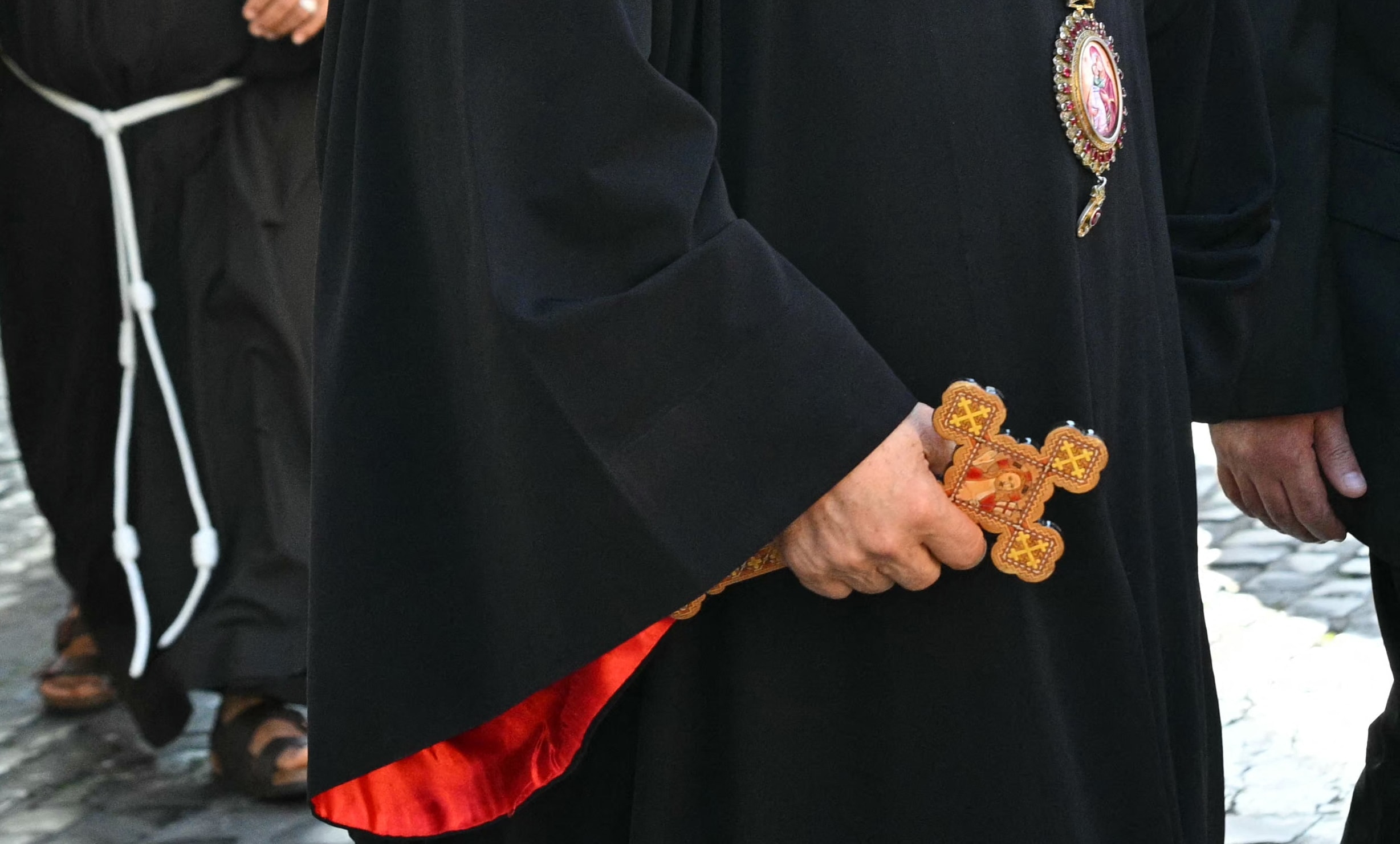
First among these is the fact that the Coptic Orthodox have reopened ecumenical dialogue and negotiations with the Holy See in Rome. The announcement comes following a telephone call between the Pope and Coptic Orthodox Pope Tawadros II, in which Leo gave “assurances regarding the non-blessing of same-sex couples”.
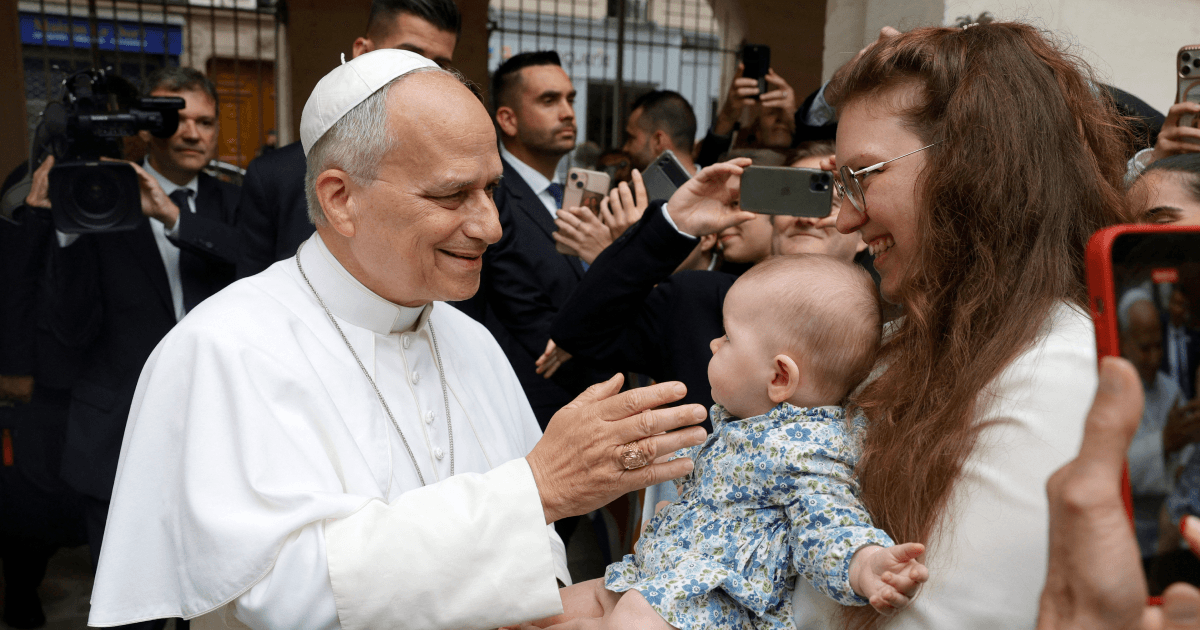
This is particularly notable since it further bolsters the comments made by the Pope when returning from Africa, in which he distanced himself from Fiducia Supplicans and also attempted to rewrite the record on what Pope Francis had said regarding blessing same-sex couples. The document remains very much alive on paper, but Leo appears to be hamstringing it deliberately – almost rewriting its content and message in application rather than doing so formally.

The Coptic Orthodox broke dialogue specifically because of Fiducia Supplicans, hence for them to resume ecumenical dialogue reveals that Leo has given them assurances that the text is, somehow, no longer a concern for them.

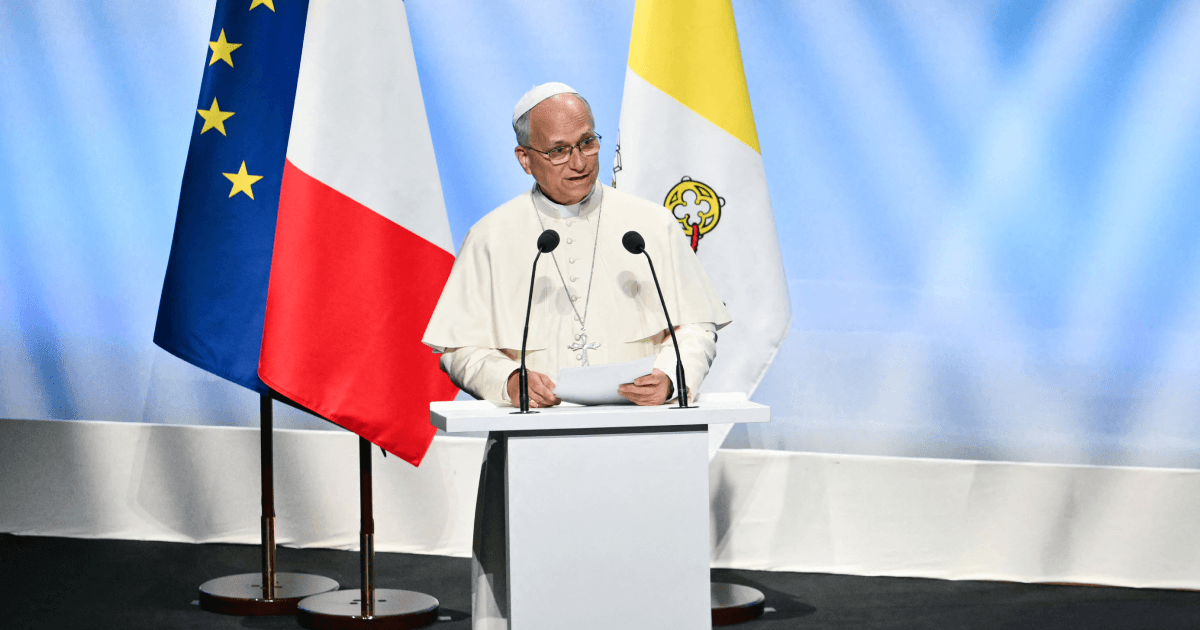
Another topic completely overshadowed by the encyclical was Leo’s meeting on May 25 with European Parliament members, in which he decried the demographic crisis facing the continent. “The problems resulting from zero-growth demographics are many and complex, and include, not least, the pandemic of loneliness,” warned Leo. “Moreover, demographic data are not merely statistics, but speak of fatherhood, motherhood and children.”

The Pontiff also decried the “contradictory claims of purportedly family-friendly policies”, which he noted are anti-life at their core. They “simultaneously promote discrimination against motherhood, exalt abortion as a right, and undermine the very foundation of the desire to start a family”. In contrast to such modern-day so-called “rights”, Leo urged the politicians to recall that “only by respecting and promoting this central place of the family, and applying the principle of subsidiarity, is it possible to avoid the two extremes of excessive State intervention and individualism”.

With Leo being much more difficult to read than Francis, the subtle language used during his speeches is often a key part of coming to understand the American Pope. One audience he hosted this week provided another instance of his regnal style: the meeting with the Dicastery for Evangelisation. Looking past the anticipated and normal praise he gave to the dicastery for its organisational role in hosting the millions of Jubilee pilgrims, Leo gave direct advice for the work of evangelisation in the modern world.

The transmission of the Faith is achieved, he said, “certainly not by watering down the content or softening the demands that Christianity can be made attractive, but by bearing witness with humility and courage to ‘the way, the truth and the life’ that has converted and sanctified so many people”.

Quoting Pope Emeritus Benedict XVI, but also appearing to channel Newman, Leo added that the Church needs “people whose intellect is enlightened by the light of God and whose hearts God opens, so that their intellect may speak to the intellect of others and their hearts may open the hearts of others”.

One such group which argues that it is indeed doing just that and preserving the Faith from modern errors is the Society of St Pius X, which this week announced the names of the four men to be consecrated bishops on July 1. At this stage it appears that any attempts at Vatican dialogue have well and truly broken down. The Society’s superiors have prepared their members for Vatican penalties, and have also selected men young enough to provide bishops for Society faithful over the next number of decades.

In the face of the likely Vatican decree of excommunication – a decree which the Society and Bishop Athanasius Schneider have argued could be unjust – former doctrine chief Cardinal Gerhard Müller renewed his strident criticism of the Society. The German cardinal, who once led Vatican negotiations with the Society – negotiations which the SSPX do not recall warmly – urged them to raise their voice “in the Church and not against the Church”.

He also renewed his suggestion that they could become a personal prelature, if only they accepted “the decisions of Vatican II, which can only be authentically declared binding by the bishops in unity with and under the Pope”.

But even this Society development could not entirely overshadow the release of Magnifica Humanitas on May 25, marking the first major text by the American Pontiff. It is not, as was anticipated, simply the “AI encyclical” but rather a summary of Leo’s assessment of the state of the world and how to respond to the rise of secularism. In many places the text reads like a subtle catechetical instruction to a secular world, presented as a way of responding to widespread concerns about the rise of AI and technology more generally.

“We live at a time of significant spiritual and cultural blindness,” wrote the Pontiff, as he argued against the rise of global conflict, a lack of moral accountability internationally and the rejection of responsibility in the moral sphere.

But the document, as with much from Rome these days, is not free from controversy, chiefly due to his statement that the Church’s teaching on a just war is “outdated”. For some veteran analysts this is closely approaching a rejection of the long-held doctrine, while for others it is simply a reflection of the changing methods of modern warfare. The encyclical also appeared to take direct aim at President Donald Trump’s joint strike against Iran, in a footnote which read as surprisingly political in a papal document.

After reading the catechetical undertones of the encyclical, the choice of topic is much more understandable than when it was described as simply being focused on AI. But Leo may yet find that his subtle approach in terms of the encyclical’s tone is not sufficient to combat the rampant secularism which is firmly established in the world he is addressing.

Michael Haynes is an English journalist in the Holy See Press Corps. He serves as Vatican Correspondent and Analyst for Pelican+ and the Catholic Herald, while readers can follow him at Per Mariam and on X @MLJHaynes.

Continue reading with a free account

Create a free account to read up to five articles each month
Create free account

You have # free articles remaining this month.

Subscribe to get unlimited access.
Sign up

subscribe to the catholic herald today

Our best content is exclusively available to our subscribers. Subscribe today and gain instant access to expert analysis, in-depth articles, and thought-provoking insights—anytime, anywhere. Don’t miss out on the conversations that matter most.
Subscribe